Earnest Money in Texas: Who Holds It and When You Actually Lose It
The deposit is not a fee and it is usually not at risk. What actually puts it at risk, who releases it, and the fifteen-day silence rule that decides a dispute.
Earnest money frightens first-time buyers more than almost anything else in a Texas contract, and the fear is mostly misplaced.
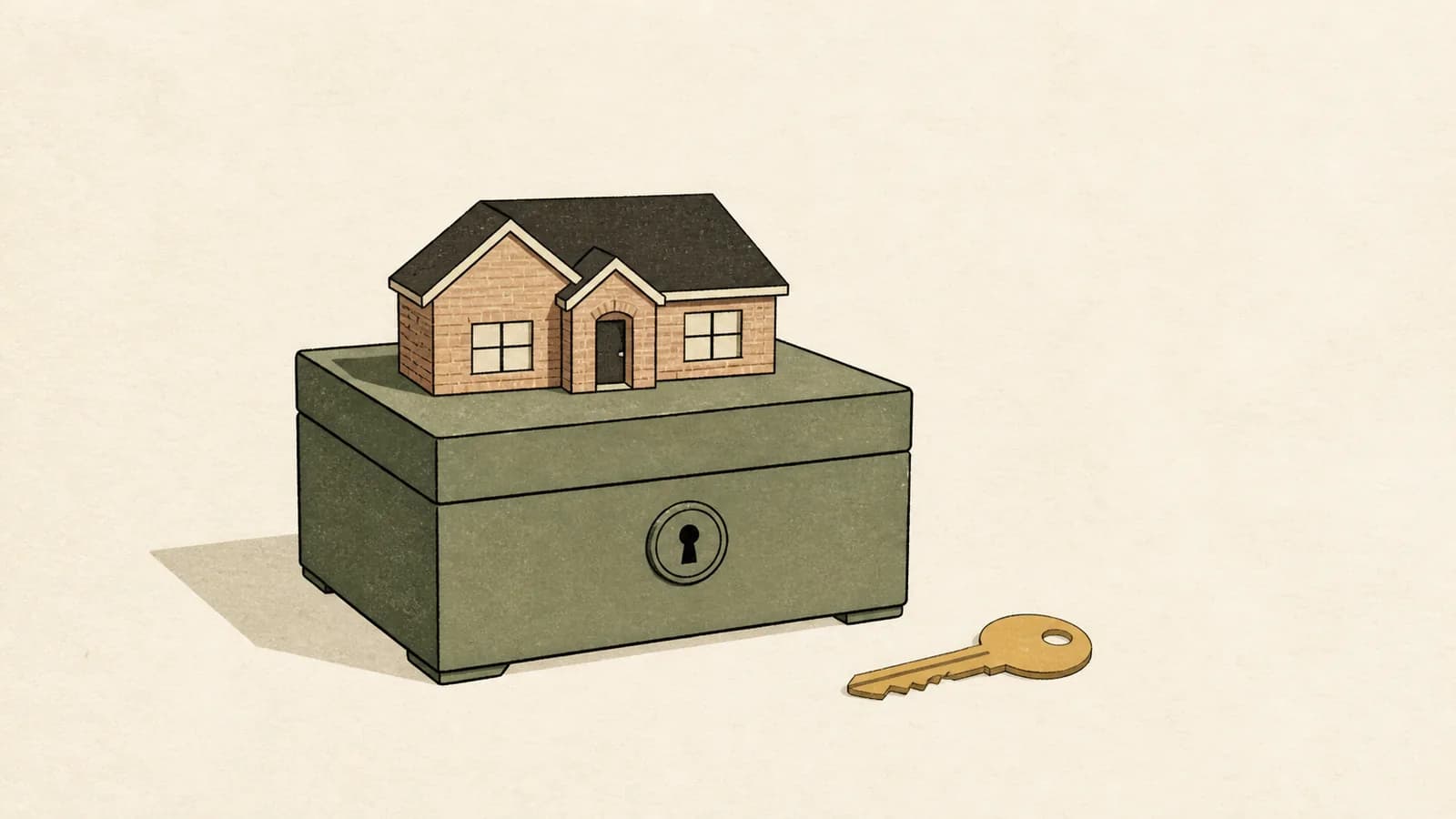
It is not a fee. It is not the seller’s money. It is a deposit held by a neutral third party and credited to you at closing, and in the ordinary run of things you get it back if the deal ends. What matters is understanding the specific circumstances where you do not.
What Earnest Money Actually Is
It is consideration that demonstrates you intend to perform, held in escrow, and it gives the seller a remedy if you fail to. Under paragraph 15 of the promulgated contract, if the buyer fails to comply the seller may terminate and receive the earnest money as liquidated damages, which means a pre-agreed sum in place of proving actual loss.
That remedy is symmetric. If the seller defaults, the buyer may enforce specific performance, seek other relief, or terminate and receive the earnest money back.
Under paragraph 5A the earnest money is delivered to the escrow agent named in the contract within three days after the effective date, made payable to them.
How Much, and Why I Will Not Quote You a Range
TREC promulgates no amount. The form prints a blank. It is negotiated, every time.
I am deliberately not giving you a percentage for the DFW market, and I want to explain why rather than just declining. Every widely circulated figure for earnest money in this metro traces back to unsourced agent blogs repeating each other. The organisations that actually publish local market data, MetroTex and NTREIS, report price, inventory and days on market and carry no earnest money field at all. There is no dataset behind the number.
What is worth understanding instead is what the amount does. A larger deposit signals seriousness and strengthens an offer, at the cost of putting more at risk if you default. A smaller one does the reverse. Ask an agent what they are seeing right now in your price band and neighborhood, and treat any confident number with a source attached as more useful than one without.
Who Holds It and Under What Terms
The escrow agent, meaning the title company named in your contract. Paragraph 18A sets out the terms and three of them surprise people:
- The escrow agent is not a party to the contract. They are a stakeholder, not a referee, and they will not decide who is right.
- They are not liable to pay interest. Your deposit does not earn you anything.
- They may require collection of good funds before disbursing anything.
The practical consequence of the first point is important: the title company will not release your money on your say-so. They need a release signed by both parties, or the process in paragraph 18C. That is why a cooperative termination is fast and a contested one is not.
When You Get It Back
All of these return the earnest money, and there are more of them than most buyers realise:
- Termination within the option period. The clean one. Unrestricted right, any reason, earnest money refunded, option fee kept by the seller. How it works.
- Failure to obtain financing approval, if you preserved the contingency and delivered notice within the time required.
- Title objection under paragraph 6D, if you object within the deadline and the seller does not cure.
- Casualty loss under paragraph 14, if the property is damaged before closing and not restored.
- Seller default.
- Failure to receive the seller’s disclosure notice, which under paragraph 7B gives a termination right that can outlive the option period entirely.
The full map of exits, ranked by how clean they are, is in every way out of a Texas contract.
When You Actually Lose It
One category, with several routes into it: you default. That is narrower than most buyers fear and it is entirely avoidable. The common versions:
- Walking away after the option period with no other contingency to rely on. This is the classic case. The option period is your no-questions exit and it expires.
- Missing a deadline and thereby waiving the protection you needed. Several rights in this contract are waived by silence. A financing notice or a title objection delivered late is worth nothing.
- Sabotaging your own financing. Opening credit, changing jobs, or moving money around during underwriting. If the loan fails because of your conduct, the contingency may not protect you.
- Simply failing to close. Not funding, not appearing, not performing.
Notice what is not on that list: the house inspecting badly, a low appraisal in itself, or changing your mind during the option period. None of those costs you the deposit if handled on time.
The Fifteen-Day Rule in a Dispute
This is the procedural detail most worth carrying, because it converts inaction into loss.
Under paragraph 18C, if one party makes a written demand for the earnest money and the other party raises no written objection within fifteen days of receipt, the escrow agent may disburse it.
Read that carefully. Silence is not a neutral position. If a seller demands the deposit and you do nothing for fifteen days, believing you are simply not agreeing, the title company may pay it out. Object in writing, on time, and keep proof of delivery.
The same paragraph provides consequences for a party who wrongfully refuses to sign a release, which is the counterweight. But the deadline is the operative fact.
Earnest Money vs the Option Fee
| Earnest money | Option fee | |
|---|---|---|
| What it is | A deposit | Payment for a right |
| Refundable? | Usually, unless you default | Never |
| Credited at closing? | Yes | Yes, automatically under 5A(4) |
| Paid to | Escrow agent | Escrow agent, since April 2021 |
| If left blank | No deposit, weaker offer | No unrestricted right to terminate at all |
That last row is the one that costs people real money, and it is covered in detail in the option period post. Both amounts are delivered to the escrow agent within three days of the effective date, and they may be paid separately or combined.
Frequently Asked Questions
How much earnest money is required in Texas?+
None is required by law. TREC promulgates no amount and the contract prints a blank, so it is entirely negotiated. Anyone quoting you a confident percentage for the DFW market is working from agent folklore rather than published data, because MetroTex and NTREIS report price, inventory and days on market and carry no earnest money field at all.
Who holds earnest money in Texas?+
The escrow agent named in the contract, which is the title company. Under paragraph 18A they are not a party to the contract, are not liable to pay interest on the funds, and may condition disbursement on collection of good funds. Money never goes to the seller or to a broker's operating account.
Do you lose earnest money if the deal falls through in Texas?+
Usually not. You lose it only if you default, meaning you fail to comply with the contract. Terminating within the option period, walking away under a financing contingency you preserved, objecting to title in time, or exercising the casualty provision all return the deposit. Most failed deals do not cost the buyer the money.
Is earnest money the same as a down payment?+
No, but it is credited toward what you owe at closing. It is a deposit that demonstrates you are serious and gives the seller a remedy if you default. If the deal closes, it comes off your cash to close. If the deal ends, where it goes depends on why it ended.
How long does it take to get earnest money back in Texas?+
It requires a release signed by both parties before the escrow agent will disburse, which is why a cooperative termination is quick and a contested one is not. If one party makes a written demand and the other raises no written objection within fifteen days, the escrow agent may disburse under paragraph 18C. Silence is not neutral.
Run Your Own Numbers
About the Author

Licensed Realtor · DFW North Texas
Specializing in Plano, Frisco, McKinney, and Allen. Helping buyers and sellers navigate North Texas since 2015, with honest advice, deep local knowledge, and no pressure.
You Might Also Like
The Texas Option Period: Your Right to Walk Away (2026)
TREC changed the contract on July 1, 2026. The termination option is paragraph 5B, the fee goes to the title company, and one blank left empty voids the right.
· 12 min read
FHA vs Conventional vs VA in North Texas: The Real Trade-offs (2026)
The mortgage insurance rules decide this, not the down payment. FHA MIP at 3.5% down never comes off. Conventional PMI is cancellable by federal law.
· 11 min read
Rent vs Buy in Plano in 2026: The Honest Math
At 6.55% and a median Plano house of $507,600, renting is about $1,350 a month cheaper. Here’s the break-even, and the one assumption the whole answer turns on.
· 10 min read