PID Assessments in North Texas: What Outlasts the Builder
A public improvement district repays infrastructure through your tax bill for decades. How to find one before you offer, and what paying it off really costs.
Two identical houses at the same price in two North Texas communities can have annual costs that differ by a substantial amount, and the reason is a line most buyers have never heard of.
What a PID Actually Is
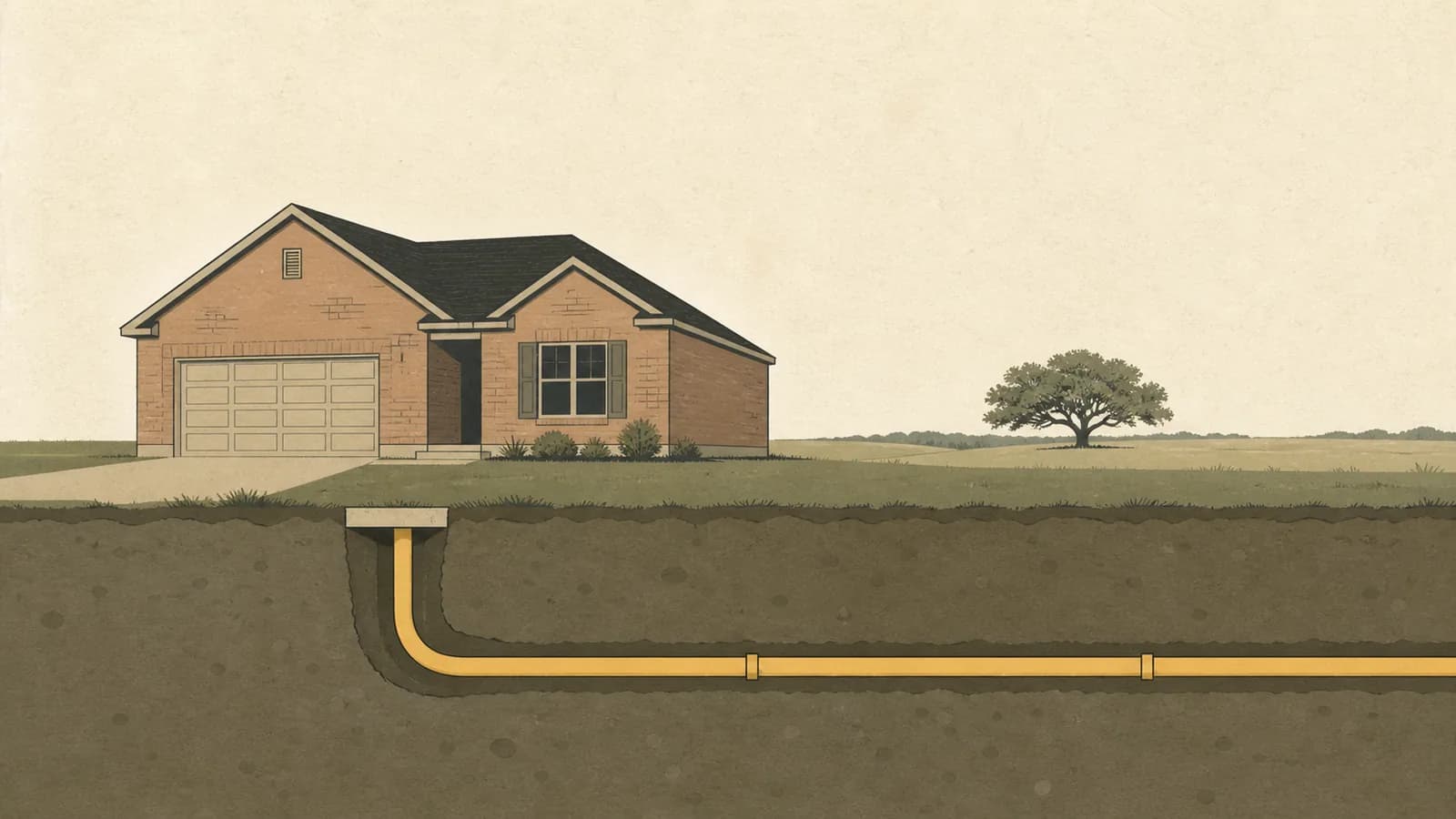
A public improvement district is a defined area within which property owners are assessed to repay the cost of infrastructure that serves them: roads, water and sewer lines, drainage, landscaping, trails and sometimes amenity facilities.
The mechanism is straightforward. A developer needs infrastructure built before houses can be sold. Rather than funding it entirely up front and pricing it into each house, bonds are issued, the infrastructure is built, and the bonds are repaid by an assessment on the properties that benefit.
Which means:
- You are paying for the infrastructure either way. Through a PID it is spread over decades rather than embedded in the purchase price.
- It appears alongside your property taxes, which is why buyers who look only at the tax rate miss it.
- It typically runs for two to three decades from issuance, which is considerably longer than most owners hold a house.
PID, MUD and HOA Are Three Different Things
| What it funds | How you pay | How long | |
|---|---|---|---|
| PID | Public infrastructure debt | An assessment with your taxes | Until the bonds are repaid |
| MUD | Water and sewer utility infrastructure | Its own tax rate | Declines as debt is retired |
| HOA | Amenities, common areas, standards | Dues to a private association | Indefinitely |
A community can have all three, and a house in one can cost meaningfully more per year than an identically priced house in a community with none. The full explainer is in HOA vs MUD vs PID.
The notice a seller owes you in a PID is required by Texas Property Code §5.014, and TREC publishes the Notice to Purchaser of Special Taxing or Assessment District form for it. Both buyer and seller sign it, and it is owed before a binding contract, not at closing.
One structural difference worth noting: a MUD rate typically falls over time as debt is retired and the tax base grows, whereas a PID assessment is generally a fixed schedule against your lot until it is repaid.
How to Find Out Before You Offer
Texas requires notice to a purchaser of property located in a public improvement district, and you should still ask actively rather than waiting for it to appear.
- Ask the title company directly. They will know and it will appear in the commitment. What Schedule B contains.
- Ask the city. PIDs are created by the municipality and the documentation is public.
- Check the appraisal district record for the parcel, which lists the taxing and assessing entities.
- Ask the sales office in writing, on a new build, and get the answer in writing.
- Ask three specific questions: the annual amount, the number of years remaining, and the current payoff figure.
Do this during the option period, and add it to the monthly cost before deciding what you can afford. Model the whole number in the mortgage calculator, not just principal and interest.
The Payoff Question
Many PIDs permit prepayment of the outstanding principal allocated to a lot. Whether that is a good idea is arithmetic rather than principle.
The case for paying it off:
- The annual assessment disappears, permanently
- The saving is effectively a guaranteed return equal to the assessment relative to the payoff
- Your monthly housing cost falls, which matters if you are payment-constrained
The case against:
- You may not recover it on sale.A buyer comparing your house to a neighbour’s with an outstanding assessment should pay more for yours, and in practice they frequently do not pay the full difference.
- It is a large lump of capital that could go to the mortgage, to reserves, or elsewhere.
- If you are moving in a few years, the arithmetic rarely works.
Rule of thumb: paying it off makes sense for a long hold and rarely for a short one. Get the payoff figure and the annual amount and compute the simple return before deciding.
What It Does to Resale
Less than owners fear, and more than sellers would like, for a specific reason.
Most of your competition is inside the same community, carrying the same assessment. Against those houses, the PID is neutral. It matters when a buyer is comparing your community to a nearby one that has none, which is exactly the comparison a well-advised buyer makes.
Two practical implications for a seller:
- Disclose it clearly and early. A buyer who discovers it in week three of a contract renegotiates. A buyer who knew from the start has already priced it.
- If you paid it off, say so prominently, with documentation. It is a genuine differentiator against every other house in your community and it is invisible unless you state it.
Should You Avoid a PID?
No, not as a rule. A PID is a financing mechanism, not a defect, and avoiding every community with one would rule out a large share of the newer housing in the North Texas growth corridor.
What matters is that you price it. Specifically:
- Know the annual amount and the remaining years before you offer.
- Add it to your monthly cost alongside taxes, insurance and HOA, and check the total against your budget rather than the mortgage payment alone. Affordability calculator.
- Compare like with like. A house in a PID community at $420,000 and one without at $440,000 may have the same total cost of ownership. The sticker price is not the comparison.
- Remember the year-two tax jump on new construction is separate from this and lands on top of it. Why the payment rises.
The buyers who get hurt are not the ones who bought in a PID. They are the ones who did not know they had, and it is a five-minute check.
Frequently Asked Questions
What is a PID in Texas real estate?+
A public improvement district is a defined area in which property owners are assessed to repay the cost of infrastructure such as roads, water, sewer, landscaping and amenities. The assessment appears alongside your property taxes and typically runs for decades until the underlying bonds are repaid.
How do I know if a house has a PID assessment?+
Texas requires notice to a purchaser of property in a public improvement district, and the title commitment and appraisal district record will also reflect it. Do not rely on the listing or on the sales office to raise it. Ask the title company and the city directly, and ask for the remaining term and the annual amount.
How long does a PID assessment last?+
It runs until the bonds financing the improvements are repaid, which is commonly a period of two to three decades from issuance. A house bought partway through that period carries the remaining years, so ask specifically how many are left rather than only what this year's amount is.
Can you pay off a PID assessment early?+
Often yes, through a prepayment of the outstanding principal allocated to your lot. Whether it is worth doing depends on the payoff amount, how long you intend to stay, and whether a future buyer would pay you for the fact that the assessment is gone, which they frequently will not in full.
Does a PID make a house harder to sell?+
It adds a cost that a well-informed buyer will price in, and the practical effect is often smaller than owners fear because most of the competing houses in the same community carry the same assessment. It matters most when a buyer is comparing your community to a nearby one that has none.
Run Your Own Numbers
About the Author

Licensed Realtor · DFW North Texas
Specializing in Plano, Frisco, McKinney, and Allen. Helping buyers and sellers navigate North Texas since 2015, with honest advice, deep local knowledge, and no pressure.
You Might Also Like
HOA vs MUD vs PID in Texas: What Each Costs You (2026)
HOA, MUD, and PID: three charges, three sets of rules, and only one you can pay off. What each really costs a North Texas buyer - and the notice you’re owed.
· 10 min read
Why Your Payment Jumped: Escrow Shortages on New Construction in Texas
The first-year tax bill on a new house is often assessed on a lot, not a house. The second one is not, and that is where the payment increase comes from.
· 5 min read
The Ag Valuation on North Texas Land: What It Saves and What Breaks It
It is a valuation, not an exemption, and losing it triggers a rollback assessment. What qualifies, what the history requirement means, and who pays when it ends.
· 6 min read