Build-to-Rent in North Texas: What It Means for Small Investors
Institutional capital now builds whole neighborhoods to rent. Where those communities are, what they do to local rents, and how to compete with one.
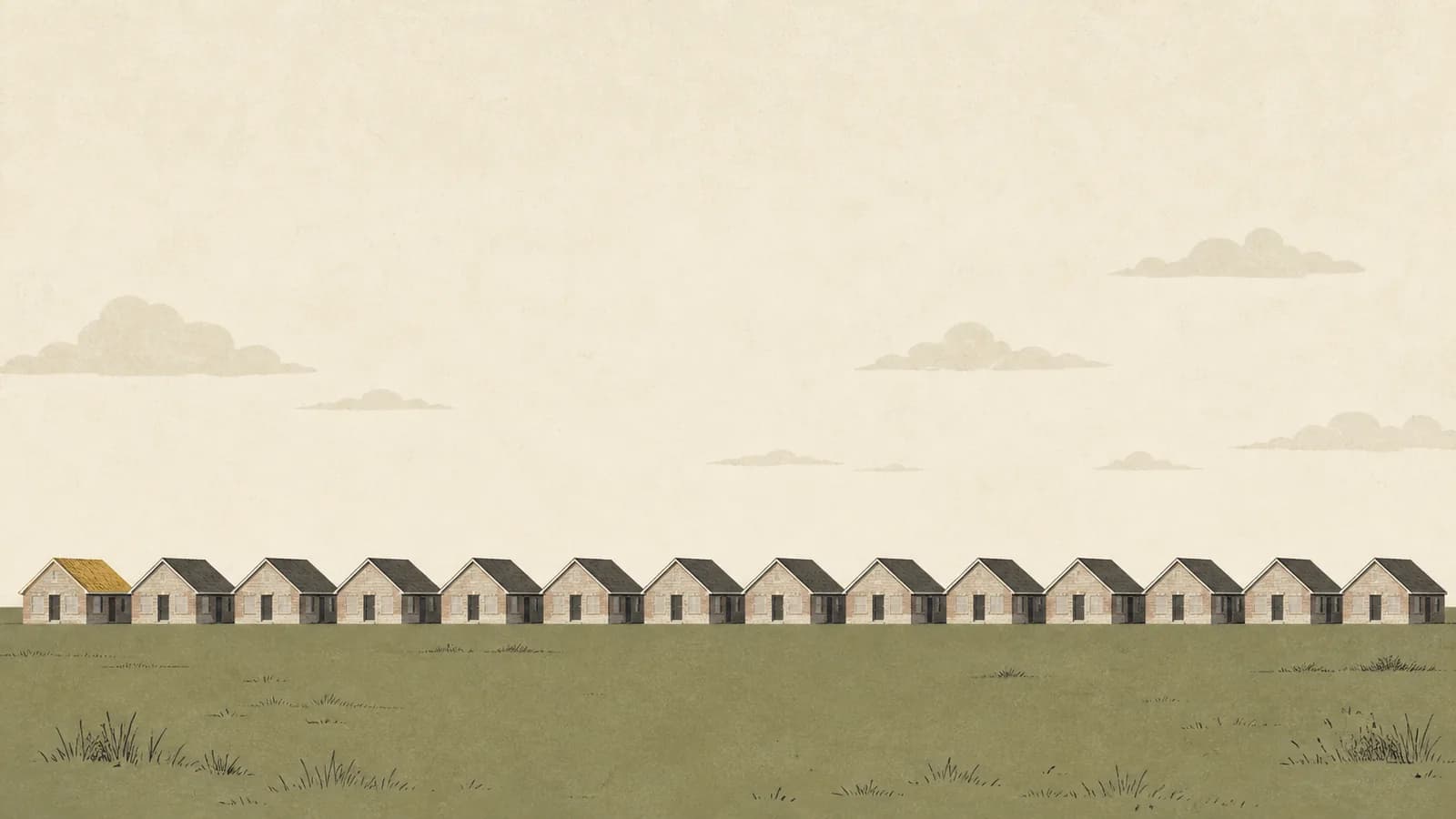
There are neighborhoods going up across North Texas that will never have a for-sale sign in them, because every house in them was built to be leased.
If you own or are buying a rental in this metro, this is now part of your competitive environment, and it is worth understanding rather than resenting.
What Build-to-Rent Actually Is
A neighborhood of houses, detached or attached, built by a developer and held by a single owner to be leased. Not scattered investor purchases, a whole community under one operator.
What a tenant gets, and it is worth being honest about how good the offer is:
- A house with a yard rather than an apartment
- New construction with modern layouts and finishes
- Professional management with defined response times
- Maintenance and often landscaping included
- Amenities such as a pool, a gym or trails
- An online application, payment and maintenance system that works
For a household that wants a house and does not want to buy one, that is a genuinely strong product. Any small landlord who dismisses it is not looking clearly at what their tenants are comparing them to.
Why North Texas
Four conditions that rarely occur together, and do here:
- Sustained population and job growth, which produces reliable household formation.
- A large renter population priced out of buying at current rates, particularly in the price bands where family houses sit.
- Land at the metro edge at prices that support building at scale.
- A permitting environment that allows large-scale development to proceed.
The result is that build-to-rent communities have appeared across the growth corridors: the northern Collin and Denton County edge, the eastern corridor along the highways, and the southern side of the metro. Broadly, wherever the affordable new construction is, this product is nearby. Where that construction is.
What It Does to Local Rents
Three effects, and they are not all negative for a small landlord.
- It caps rent growth on directly comparable product. A large new supply of three-bedroom houses at a defined price point limits what a similar house nearby can charge. This is the real competitive effect and it is local rather than metro-wide.
- It raises the service standard. Tenants who have lived in professionally managed product expect online payment, prompt maintenance and a functioning process. A landlord who takes four days to answer a text is now visibly worse than the alternative.
- It validates demand. Institutional capital does substantial research before committing to a location. A build-to-rent community going up near a property you own is evidence that somebody with a large budget believes in rental demand there.
The practical implication for underwriting: if you are buying near an active or planned build-to-rent community, be conservative on rent growth for directly comparable properties, and check what is planned rather than only what exists.
How a Small Landlord Competes
Not on amenities. You cannot build a pool and a gym for one house. Compete on the things a large operator structurally cannot do.
- Location. Build-to-rent is generally at the edge, on cheap land. Established neighborhoods closer in, near jobs and mature schools, are not competing on the same axis at all.
- Mature trees and established streets. A new community will not have these for a decade.
- Lot size. Build-to-rent yards are typically small by design.
- Flexibility. You can approve a pet, agree an unusual lease term, or accommodate a good tenant with a specific circumstance. A corporate policy cannot.
- Responsiveness. A landlord who answers the phone and fixes things the same week beats a call centre, and this is the easiest advantage to actually deliver.
- Relationship. Long-tenured tenants are the single most profitable thing in small residential rental, because turnover is where the money goes. What turnover actually costs.
The strategic version: do not buy the property that competes directly with build-to-rent. A new three-bedroom house at the metro edge is the exact product they build at scale, with better amenities and a marketing budget. Buy the thing they cannot build.
Buying Into It, or Near It
Three situations worth thinking through:
- Buying a house inside a build-to-rent community. Usually not possible, because these are typically held whole. If a home in one is available, understand what surrounding institutional ownership means for your resale pool and your control over the community.
- Buying next to one. Neutral to positive for value, since the area is being developed and amenities are arriving, and negative for rent growth on comparable product. Weigh both.
- Buying a new build to rent it yourself. The hardest case, because you are competing directly with a better-capitalised version of exactly your product. If you do, be conservative on rent and honest about the year-two tax bill on new construction. Why that bill rises.
What to Watch
- Check city planning records for the area you are buying in. Large rental communities go through public approval and the plans are on file long before ground is broken.
- Watch for local ordinance responses. Several cities across the country have debated restrictions on large-scale single-family rental development, and North Texas cities have their own positions. This is a live policy area.
- Track absorption. If a nearby community is leasing slowly, that is information about local rental demand that applies to you too.
- Underwrite conservatively where the product overlaps. Use current rents rather than growth assumptions, and test the deal against a rent five percent lower. The fifteen-minute screen.
The broader point: this is a structural change in the North Texas rental market rather than a passing trend, and small investors do best by positioning around it rather than competing head on. Where to buy instead.
Frequently Asked Questions
What is a build-to-rent community?+
A neighborhood of detached or attached houses constructed specifically to be leased rather than sold, owned and operated by a single company. Residents rent a house with a yard rather than an apartment, usually with professional management, on-site amenities and a maintenance service included.
Why is build-to-rent growing in DFW?+
Sustained population growth, a large renter population priced out of buying at current rates, plentiful land at the metro's edges, and a permitting environment that allows large-scale development. Those conditions together are unusual, and North Texas has been among the most active build-to-rent regions in the country.
Does build-to-rent lower rents for landlords nearby?+
It adds supply at a specific price point, which tends to cap rent growth for comparable product in the immediate area. The effect is local and product-specific rather than metro-wide: a three-bedroom house near a large new build-to-rent community faces more direct competition than an older two-bedroom several miles away.
Can individuals buy a house in a build-to-rent community?+
Usually not, because the whole community is typically held by one owner and not sold off individually. Some developments do sell homes, and some operators eventually dispose of assets. If a listing appears inside such a community, check carefully what you are buying and what the surrounding ownership means for your resale.
Is build-to-rent bad for small investors?+
It is competition rather than exclusion. It sets a service standard tenants come to expect and caps rents on directly comparable product. It also validates rental demand in the areas where it is built, and small landlords compete effectively by offering things an institutional operator structurally cannot.
Run Your Own Numbers
About the Author

Licensed Realtor · DFW North Texas
Specializing in Plano, Frisco, McKinney, and Allen. Helping buyers and sellers navigate North Texas since 2015, with honest advice, deep local knowledge, and no pressure.
You Might Also Like
PID Assessments in North Texas: What Outlasts the Builder
A public improvement district repays infrastructure through your tax bill for decades. How to find one before you offer, and what paying it off really costs.
· 6 min read
North Texas Master-Planned Communities: How to Compare Them
Amenity centres, trail miles and an HOA that runs like a small government. What the assessments buy, what they do not, and how build-out changes the deal.
· 5 min read
Selling a House in Celina, TX When the Builder Is Your Competition
In a city this new, most of your comparables are still under construction and their seller can change the price weekly. What a resale actually has to offer.
· 5 min read